2000+ Happy Customers
String Wound Cartridge Filter
A string-wound filter cartridge is a depth filter made by tightly weaving yarn around a core in a honeycomb pattern. This unique structure creates layers of filtration, ensuring efficient removal of impurities and consistent performance.
String-wound filters are highly versatile depth filtration cartridges designed to effectively remove suspended particles, sediments, dirt, rust, and contaminants from liquids. Made by winding fibers in an overlapping pattern around a central core, these filters provide exceptional filtration efficiency while maintaining structural integrity, unlike surface filters that rely on a thin membrane to block contaminants, string-wound filters utilize their depth structure to trap particles at multiple levels. This makes them ideal for processes requiring thorough filtration without significant pressure loss
String-wound filters are a part of pre-filtration and fine particle removal processes across industries. Their combination of cost-efficiency, customizability, and high contaminant retention has made them a trusted choice in water and wastewater treatment(CETP,WTP,ETP,STP,Desalination and ZLD), chemical production, surface coating and plating applications and many other critical applications.
Gopani’s string-wound filters are made to meet the standards of performance, durability, and cost-effectiveness. Our filters are trusted across industries from water treatment to oil and gas, food and beverage, desalination plants, pharmaceuticals and more. Gopani’s string-wound filters deliver precision filtration tailored to your needs.
Key Features:
- Customizable Micron Ratings: From 0.5 µm to 100 µm, made for your process needs.
- Flexible Material Options: Polypropylene, cotton, glass fiber, for different applications.
- Durable Core Materials: Available in polypropylene and stainless steel.
Upgrade Your Filtration Systems Today
Find retable filters that improve performance and save cost.
Choose the right one for your need today!
How Are String Wound Cartridge Filters Made?
Every string-wound filter begins with a sturdy, perforated central core. The core serves as the backbone of the filter, providing stability and supporting the yarn or fiber layers. Gopani’s filters utilize core materials like polypropylene for chemical compatibility and stainless steel for high-pressure applications, depending on the specific process requirements.
Fiber Material
The “string” or yarn used in string-wound filters plays a critical role in their performance. Gopani uses premium-grade fibers, including:
- Polypropylene: Ideal for water treatment, chemicals, and corrosive environments.
- Cotton: Suited for food-grade and oil-based applications.
- Glass Fiber: A durable option for high-temperature filtration processes.
- Polyesters : Polyester is a versatile synthetic fiber that offers good resistance to chemicals and high temperatures.
- Nylon : Nylon is a synthetic polymer known for its excellent mechanical strength and chemical resistance.
Each material is selected to match its target application, ensuring optimal contaminant removal and product lifespan.
Fiber to Yarn Process
The yarns used in these filters are produced using techniques such as friction spinning, which convert fibers into yarns with specific structural characteristics. Friction spinning involves the high-speed rotation of drums to twist and bind fibers into a yarn. This method creates a yarn with an airy or fluffy texture, which directly impacts its filtration properties.
The fluffiness increases the void volume within the yarn structure. Void volume refers to the spaces between individual fibers within the yarn. A higher void volume enhances the yarn’s ability to capture and retain particles, as the increased surface area and gaps allow contaminants to be trapped effectively. This structure improves filtration efficiency without significantly hindering the flow of air or liquids through the filter media.
Moreover, yarns produced through friction spinning demonstrate improved resilience and flexibility, enabling the filter to perform consistently under varying operational pressures and conditions. These properties are critical for applications requiring precise and efficient filtration.
Winding Process
Fibers are wound tightly and in a gradient around the core in a controlled spiral/honeycomb pattern. This creates a graded density structure, where the outer layers capture larger particles, while the inner layers trap finer contaminants.
- Outer Layers: Capture coarse sediments.
- Inner Layers: Remove finer particles.
Micron Rating Customization
Gopani’s string-wound filters are manufactured with specific micron ratings, ranging from 0.5 micron to 100 microns. Whether your process requires removal of impurities or coarser contaminants, our filters can be tailored to meet those needs with precision.
Core of String Wound Cartridge Filters
The core is the central structural component of a string-wound filter cartridge. It serves as the foundation around which the filtration yarn or string is wound, providing strength and stability to the entire filter. The material of construction (MOC) of the core is critical, as it determines the filter’s durability, chemical compatibility, and temperature resistance. Selecting the right core material ensures optimal performance for specific filtration applications.
Basic Function of the core
The core serves several essential purposes:
- Structural Integrity: It provides strength to prevent the filter from collapsing under pressure.
- Chemical Resistance: Ensures the filter performs effectively in corrosive environments.
- Thermal Stability: Maintains functionality at high or low operating temperatures.
- Durability: Extends the operational life of the filter by resisting wear.
Materials of Construction (MOC) for String-Wound Filter Cores
Gopani’s string-wound filters are manufactured with specific micron ratings, ranging from 0.5 micron to 100 microns. Whether your process requires removal of impurities or coarser contaminants, our filters can be tailored to meet those needs with precision.
- Polypropylene Core
- Description: A lightweight, chemically inert material resistant to most acids, alkalis, and organic solvents.
- Purpose: Ideal for applications requiring compatibility with a wide range of liquids at moderate temperatures. Commonly used in water treatment, food and beverage, and pharmaceutical industries.
- Stainless Steel Core (SS304/SS316)
- Description: A lightweight, chemically inert material resistant to most acids, alkalis, and organic solvents.
- Purpose: Ideal for applications requiring compatibility with a wide range of liquids at moderate temperatures. Commonly used in water treatment, food and beverage, and pharmaceutical industries.
- Other Options
- CPVC / UPVC Cores
- PVDF Core
- PTFE Core
- Galvanised Iron Core
Customized Filtration Solutions
Customised solutions for your filtration process with our string wound filters.
Our experts will help you find the solutions for your needs
How to Choose the Right Core for String Wound Cartridge Filters
Selecting the right core depends on several factors:
- Chemical Compatibility: Consider the liquid being filtered and its chemical properties. For acidic or alkaline fluids, polypropylene or stainless steel cores are ideal.
- Temperature Range: Assess the operating temperature of the application. Stainless steel is preferred for high-temperature environments, while polypropylene suffices for standard conditions.
- Pressure Requirements: For high-pressure applications, opt for materials like stainless steel or glass-reinforced polypropylene.
- Cost Constraints: Choose tinned steel or standard polypropylene cores for economical solutions in less aggressive environments.
By carefully evaluating these factors, you can ensure optimal performance, longevity, and cost-efficiency for your filtration system.
End Connections and Gaskets
End connections and gaskets ensure a secure fit between the filter cartridge and the housing, preventing leakage and maintaining process integrity. Common end caps include DOE (Double Open End), SOE (Single Open End), and customized fittings, while gaskets are typically made from elastomers like EPDM, silicone, or PTFE.
Importance and Function
End connections provide structural stability and compatibility with various filter housings, ensuring easy installation and replacement. Gaskets create a reliable seal, preventing bypass and ensuring that only filtered fluid passes through.
MOC of End Caps and Gaskets
- End Caps: Polypropylene, stainless steel, or PVC for compatibility with a range of chemicals and environments.
- Gaskets: Materials like silicone and PTFE are used for high-temperature and chemical-resistant applications, while EPDM is chosen for general-purpose use.

Customized Filtration Solutions
Customised solutions for your filtration process with our string wound filters.
Our experts will help you find the solutions for your needs
Where Are String-Wound Filters Used?
Water Treatment and Desalination
The world is facing an acute water crisis, seawater desalination and clean water treatment are essential. String-wound filters are important for pre-filtration solutions in reverse osmosis (RO) systems. By removing sediments, silt, and particulate matter, these filters reduce membrane fouling, ensuring cleaner water output and extending membrane life.
Did You Know?
- The global desalination market is projected to grow to $32 billion by 2027, driven by increasing water demand.
- Proper pre-filtration can extend RO membrane lifespan by up to 50%, reducing replacement/cleaning chemical costs and maintenance downtime.
Why Gopani Filters?
Gopani’s string-wound filters ensure >90% removal of suspended solids, safeguarding critical downstream RO systems and improving overall process efficiency.
Wastewater Treatment, Effluent treatment plant, Sewage treatment plant, and Common effluent treatment plant
Wastewater treatment plants face the challenge of removing solids and contaminants to meet environmental discharge standards or enable water reuse. Gopani’s filters help reduce Total Suspended Solids (TSS) efficiently, acting as a reliable pre-treatment option before biological and chemical treatment stages.
- The global wastewater treatment market is expected to reach $482 billion by 2030, with growing emphasis on sustainable water reuse.
- Implementing efficient filtration systems can reduce energy costs by 10-15% in wastewater treatment plants by optimizing downstream operations.
Why Gopani Filters?
Gopani filters are designed for high dirt-holding capacity, minimizing replacements and ensuring continuous, cost-effective operation.
Food and Beverage Industry
In food and beverage production, maintaining product purity and quality is critical. Gopani’s string-wound filters remove impurities like sediments, rust, and particulates without compromising taste, texture, or product integrity. They are widely used for:
- Clarification of fruit juices, wine, and milk.
- Purification of process water and clean-in-place (CIP) systems.
Key Stats
- The global food and beverage filtration market is projected to grow at a 6.5% CAGR, reaching $1.2 billion by 2026.
- String-wound filters ensure consistent filtration performance, reducing production downtime and ensuring compliance with FDA and FSSAI standards for food-grade processing.
Why Gopani Filters?
Gopani’s filters offer desired filtration that are safe for food and beverage production, ensuring clean, compliant operations.
Oil and Gas Industry
Oil field operations rely on filtration systems to remove contaminants from well fluids, fuels, and lubricants. String-wound filters helps in preventing equipment damage, reduce maintenance costs, and improve operational efficiency.
Industry Stats
- The oil and gas filtration market is valued at $6.1 billion and is projected to grow due to increasing demand for cleaner fuel.
- Contaminants in process fluids contribute to 60% of equipment failures in oil and gas operations.
Why Gopani Filters?
Gopani filters provide high-temperature resistance and durability for challenging oil field applications.
Power Generation
Power plants require high-quality feed water for boilers, turbines, and cooling systems. Even small impurities can cause scaling and corrosion, leading to efficiency loss and expensive repairs. String-wound filters are critical for pre-treating boiler feed water and protecting sensitive equipment.
Relevant Data
- Scaling caused by untreated impurities can reduce boiler efficiency by up to 20%, increasing energy costs.
- Proper water pre-filtration in power plants can extend equipment lifespan by 25-30%.
- Clary Wound CPU: Synthetic fibers for precision filtration, ideal for microelectronics, pharmaceuticals, and power plant applications to handle contaminants like CRUD (Chalk River Unidentified Deposits).
Why Gopani Filters?
Gopani’s string-wound filters ensure precise particle removal and steady flow rates, preventing downtime and saving energy costs.
Pharmaceutical and Healthcare
Pharmaceutical industries demand high-purity water for drug formulation, laboratory applications, and sterile processes. Contaminants like particulates, rust, and bacteria can compromise product quality and safety. Gopani’s string-wound filters offer exceptional purity and reliability.
Key Insights
- The pharmaceutical filtration market is expected to grow to $10.4 billion by 2027, driven by stringent purity standards.
- Contaminant-free water reduces the risk of batch rejection, saving up to 40% on production losses.
Electronics and Semiconductor Manufacturing
In the semiconductor industry, ultra-pure water (UPW) is essential for cleaning, etching, and manufacturing processes. Even microscopic contaminants can lead to product defects and operational losses. Gopani’s string-wound filters deliver precision filtration for ultrapure water systems.
Key Insights
- Semiconductor production requires 99.999% pure water for cleaning processes.
- Filtration failures can cause up to $200,000 in losses per production batch in advanced semiconductor manufacturing.
Why Gopani Filters?
Gopani filters ensure reliable filtration of plating baths, providing the purity essential for defect-free production.
Customized Filtration Solutions
Customised solutions for your filtration process with our string wound filters.
Our experts will help you find the solutions for your needs
Range of String Wound Cartridge Filters For Diverse Applications
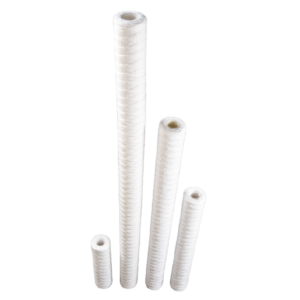
Clary Wound Cotton SS
This variant uses a cotton yarn for high-temperature and chemical compatibility.
Applications: Ideal for food & beverage and high-temperature fluid filtration.
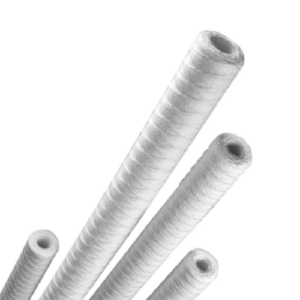
Clary Wound Extreme BiCo
A dual-component yarn for improved chemical resistance and dirt-holding capacity.
Applications: Ideal for food & beverage and high-temperature fluid filtration.
Clary Wound Ultra
High surface area filters for higher dirt holding in critical applications
Applications: Ideal for food & beverage and high-temperature fluid filtration.
Clary Wound Extreme
Produced from activated carbon, these cylindrical blocks are meant for purification.
Applications: Ideal for food & beverage and high-temperature fluid filtration.
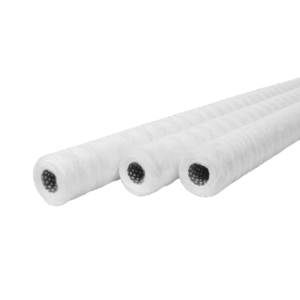
Clary Wound GF
Produced from activated carbon, these cylindrical blocks are meant for purification.
Applications: Ideal for food & beverage and high-temperature fluid filtration.
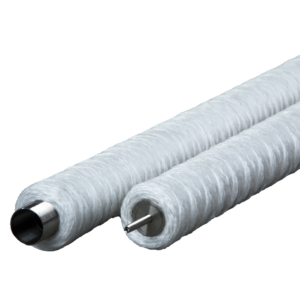
Clary Wound CPU
High flow cartridge filters for superior filtration
Applications: Ideal for food & beverage and high-temperature fluid filtration.
Customization
Gopani offers custom solutions to meet specific needs, including customized micron ratings, sizes, and material compatibility, ensuring optimal performance for every application.
Upgrade Your Filtration Systems Today
Find retable filters that improve performance and save cost.
Choose the right one for your need today!
Application of String Wound Cartridge Filters

Oil & Gas
- Importance: Protects equipment, prevents defects, and ensures the purity of the final product.
- Types of Filters Used: High-temperature resistant filters with 1-50 micron ratings for fine to medium filtration.

Paints and Inks
- Importance: Ensures operational efficiency and removes impurities such as sand, rust, and sludge.
- Types of Filters Used: Stainless steel core filters for high-pressure, chemically aggressive environments.

Microelectronics
- Importance: Filters remove microscopic particles to prevent defects in circuits and devices.
- Types of Filters Used: Fine filtration cartridges with 1-5 micron ratings.

Compress Air & Gas
Filtration ensures consistency and removes impurities that can affect the quality of paints and inks.
- Importance: Prevents nozzle clogging and maintains product uniformity.
- Types of Filters Used: Polyester or polypropylene filters with 10-50 micron ratings.

Food & Beverage
- Importance: Removes particulates, microorganisms, and other impurities.
- Types of Filters Used: Food-grade polypropylene or cotton filters with 1-10 micron ratings.
Get Customized filtration solutions for water treatment. Food and beverages, pharmaceuticals, and more. Get the perfect fit for your industry.
String Wound Cartridge Filters Manufacturing Process
The manufacturing of string-wound filters involves a precise process to create reliable and effective filtration solutions. It starts with selecting high-quality yarns, such as polypropylene, cotton, or polyester, based on the intended application and the properties needed for filtration. These yarns are wound tightly around a sturdy central core made from materials like polypropylene or stainless steel.
The winding process is performed using specialized CNC machines to ensure even tension and consistent layering of the yarn. This method creates a graded density structure, which allows the filter to trap larger particles on the outer layers while capturing finer contaminants within the inner layers. The result is a durable and effective filter cartridge suitable for various industries, including water treatment, food processing, pharmaceuticals, and petrochemicals.
The winding process is performed using specialized CNC machines to ensure even tension and consistent layering of the yarn. This method creates a graded density structure, which allows the filter to trap larger particles on the outer layers while capturing finer contaminants within the inner layers. The result is a durable and effective filter cartridge suitable for various industries, including water treatment, food processing, pharmaceuticals, and petrochemicals.
Core of String wound Cartridge Filters
The core is the central structural component of a string-wound filter cartridge. It serves as the foundation around which the filtration yarn or string is wound, providing strength and stability to the entire filter. The material of construction (MOC) of the core is critical, as it determines the filter’s durability, chemical compatibility, and temperature resistance. Selecting the right core material ensures optimal performance for specific filtration applications.
Basic Function of the core

Structural Integrity
It provides strength to prevent the filter from collapsing under pressure.

Chemical Resistance
Ensures the filter performs effectively in corrosive environments.
Thermal Stability
Maintains functionality at high or low operating temperatures.

Durability
Extends the operational life of the filter by resisting wear
Materials of Construction (MOC) for String-Wound Filter Cores
Polypropylene Core:
- Description: A lightweight, chemically inert material resistant to most acids, alkalis, and organic solvents.
- Purpose: Ideal for applications requiring compatibility with a wide range of liquids at moderate temperatures. Commonly used in water treatment,
Stainless Steel Core (SS304/SS316):
- Description: A strong, corrosion-resistant metal core suitable for high-temperature and chemically aggressive environments.
- Purpose: Preferred for demanding industrial applications such as petrochemicals, refineries, and processes involving solvents or oxidizing agents.
Tinned Steel Core:
- Description: A cost-effective option with moderate resistance to corrosion and high strength.
- Purpose: Used in less aggressive environments, such as general-purpose industrial filtration.
Glass-Reinforced Polypropylene Core:
- Description: A polypropylene core reinforced with glass fibers for added strength and higher temperature tolerance.
- Purpose: Suitable for applications requiring enhanced mechanical stability under moderate thermal and chemical stress.
Polycarbonate Core:
- Description: A durable and transparent thermoplastic material with high impact resistance.
- Purpose: Used in specialized filtration setups requiring visual inspection or in industries needing moderate chemical compatibility.
Upgrade Your Filtration Systems Today
Find retable filters that improve performance and save cost.
Choose the right one for your need today!
How to Choose the Right Core
Selecting the right core depends on several factors:
- Chemical Compatibility: Consider the liquid being filtered and its chemical properties. For acidic or alkaline fluids, polypropylene or stainless steel cores are ideal.
- Temperature Range: Assess the operating temperature of the application. Stainless steel is preferred for high-temperature environments, while polypropylene suffices for standard conditions.
- Pressure Requirements: For high-pressure applications, opt for materials like stainless steel or glass-reinforced polypropylene.
- Cost Constraints: Choose tinned steel or standard polypropylene cores for economical solutions in less aggressive environments.
By carefully evaluating these factors, you can ensure optimal performance, longevity, and cost-efficiency for your filtration system.

Filtration is essential for removing contaminants from chemicals and polymers
Filtration is a key process in refining and protecting equipment from fouling
Microelectronics manufacturing requires ultra-clean environments.
Filtration ensures consistency and removes impurities that can affect the quality of paints and inks.
Filtration of compressed air and gases is critical for removing oil, water, and particulate contaminants.
Get Customized filtration solutions for water treatment. Food and beverages, pharmaceuticals, and more. Get the perfect fit for your industry.
Materials of Construction (MOC) for Yarns in String-Wound Filters
The yarns used in string-wound filters are a critical component, as they directly interact with the fluid being filtered. The material of the yarn determines the filter’s ability to retain particles, resist chemical degradation, and withstand varying temperatures. Different yarn materials are chosen based on the filtration application, ensuring compatibility with the liquid’s chemical properties and operating conditions.
Common Yarn Materials and Their Purpose
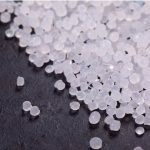
Polypropylene
- Purpose: Highly versatile and resistant to a broad range of chemicals, including acids, alkalis, and organic solvents.
- Applications: Suitable for water treatment, pharmaceuticals, food and beverage processing, and general-purpose filtration.

Cotton
- Purpose: Biodegradable and naturally absorbent, making it suitable for less aggressive liquids.
- Applications: Often used in food-grade filtration, light industrial processes, and applications involving non-corrosive liquids.
Polyester
- Purpose: Provides excellent resistance to moderate chemicals and offers better temperature tolerance than cotton or polypropylene.
- Applications: Ideal for hot liquids and processes requiring moderate chemical compatibility, such as in dyeing and finishing industries.
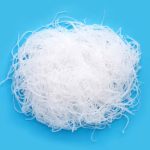
Nylon
- Purpose: High mechanical strength and abrasion resistance, along with good compatibility with oils and organic solvents.
- Applications: Frequently used in applications involving oils, fuels, or solvents, such as in automotive or petrochemical industries.

Fiberglass
- Purpose: Exceptional temperature resistance and good chemical compatibility with strong acids and bases.
- Applications: Used in high-temperature processes or in the presence of aggressive chemicals, such as in power generation or chemical processing.
How to Choose the Right Yarn Material?
- Chemical Compatibility: Identify the fluid’s composition and potential chemical reactions. For example, polypropylene is ideal for corrosive environments, while cotton is suited for neutral liquids.
- Temperature Range: Polyester or fiberglass is preferred for processes involving elevated temperatures.
- Filtration Needs: Consider the particle size and filtration precision required.
- Regulatory Requirements: For food-grade or pharmaceutical applications, ensure the yarn complies with relevant standards.
Selecting the right MOC for your process involves understanding the specific requirements of the application. Factors such as the chemical composition of the fluid, operating temperature, pressure conditions, and cost constraints must be carefully evaluated.
String Wound Filters That Fit Your Process
Whether handling aggressive chemicals or fine particulates, our filters are built to meet industry demands.
Choose precision, reliability, and performance for your filtration needs.
How to Choose the Right Yarn Material?
Selecting the appropriate yarn material depends on:
- Chemical Compatibility: Identify the fluid’s composition and potential chemical reactions. For example, polypropylene is ideal for corrosive environments, while cotton is suited for neutral liquids
- Temperature Range: Polyester or fiberglass is preferred for processes involving elevated temperatures.
- Filtration Needs: Consider the particle size and filtration precision required.
- Regulatory Requirements: For food-grade or pharmaceutical applications, ensure the yarn complies with relevant standards.
Selecting the right MOC for your process involves understanding the specific requirements of the application. Factors such as the chemical composition of the fluid, operating temperature, pressure conditions, and cost constraints must be carefully evaluated.
Micron Rating
Micron rating is a parameter in filtration, representing the particle size a filter can remove from a fluid. It is expressed in micrometers (µm), with smaller micron ratings indicating finer filtration capability. This property directly impacts the efficiency and suitability of a filter for specific applications, from coarse sediment removal to ultra-fine filtration of contaminants.
Why is Micron Rating Important?
The micron rating ensures compatibility between the filter and the application’s needs. Choosing the right micron rating enhances process efficiency, protects equipment from damage, and ensures the quality of the filtered product. For example, a high micron rating is ideal for removing large particles in preliminary filtration, while a low micron rating is necessary for critical processes such as pharmaceutical-grade filtration.
Use Cases of Different Micron Ratings
- 1-5 Micron: Ideal for fine filtration in pharmaceutical and food industries, ensuring removal of minute particles and maintaining purity.
- 10-50 Micron: Commonly used in industrial applications, including chemical processing and oil refining, for medium filtration tasks.
- 50-100 Micron: Suited for coarse filtration, such as in wastewater treatment or prefiltration for reverse osmosis systems.
Customization Offered by Gopani
Gopani provides customizable micron ratings to meet specific requirements. Customers can select the desired micron size based on the type of fluid, nature of impurities, and operational demands, ensuring precise and efficient filtration.
String Wound Filters That Fit Your Process
Whether handling aggressive chemicals or fine particulates, our filters are built to meet industry demands.
Choose precision, reliability, and performance for your filtration needs.
Winding Process
The winding process involves wrapping yarn around a core to create the gradient density required for particle capture. Different techniques include tight winding, loose winding, and multi-layer winding.
How It Affects Micron Rating?
The winding pattern directly influences the pore size and distribution within the filter. Tighter winding results in smaller micron ratings for finer filtration, while looser winding produces larger micron ratings for coarse filtration. By adjusting the tension and layering, manufacturers can achieve the desired filtration efficiency.
Use Cases of Different Micron Ratings
- 1-5 Micron: Ideal for fine filtration in pharmaceutical and food industries, ensuring removal of minute particles and maintaining purity.
- 10-50 Micron: Commonly used in industrial applications, including chemical processing and oil refining, for medium filtration tasks.
- 50-100 Micron: Suited for coarse filtration, such as in wastewater treatment or prefiltration for reverse osmosis systems.
Customization Offered by Gopani
Gopani provides customizable micron ratings to meet specific requirements. Customers can select the desired micron size based on the type of fluid, nature of impurities, and operational demands, ensuring precise and efficient filtration.
End Connections and Gaskets
End connections and gaskets ensure a secure fit between the filter cartridge and the housing, preventing leakage and maintaining process integrity. Common end caps include DOE (Double Open End), SOE (Single Open End), and customized fittings, while gaskets are typically made from elastomers like EPDM, silicone, or PTFE..
Importance and Function
End connections provide structural stability and compatibility with various filter housings, ensuring easy installation and replacement. Gaskets create a reliable seal, preventing bypass and ensuring that only filtered fluid passes through.
MOC of End Caps and Gaskets
- End Caps: Polypropylene, stainless steel, or PVC for compatibility with a range of chemicals and environments
- Gaskets: Materials like silicone and PTFE are used for high-temperature and chemical-resistant applications, while EPDM is chosen for general-purpose use.
Images of end caps and gaskets with detailed caption
String Wound Filters That Fit Your Process
Whether handling aggressive chemicals or fine particulates, our filters are built to meet industry demands.
Choose precision, reliability, and performance for your filtration needs.
Why choose Gopani?
With 3 decades of experience in designing high-performance filtration solutions, Gopani ensures reliability and efficiency in industrial processes.
Industries We Serve
Our filters are widely used in industries such as water treatment, pharmaceuticals, chemicals, oil and gas, and food and beverage, meeting the most stringent quality standards.
Key USPs of Gopani String Wound Filter Cartridges
1. Graded Density Construction
Designed with precision, the graded density structure captures contaminants of varying sizes, ensuring efficient filtration and extended service life.
2. Wide Material Compatibility
Available in diverse materials such as polypropylene, cotton, and glass fiber, these filters cater to applications across industries like chemicals, oil & gas, food & beverage, and more.
3. Customization
Offering micron ratings from 1 to 100 microns and various cartridge lengths, Gopani ensures filters meet specific operational and process requirements.
4. Extended Lifespan
Engineered for durability, the filters maintain high performance even in challenging conditions, reducing replacement frequency and downtime.
5. Low Pressure Drop
Optimized design minimizes pressure loss, ensuring smooth flow rates and operational efficiency.
Benefits
- High Dirt Holding Capacity: Captures more contaminants, extending operational intervals.
- Cost-Efficiency: Reduces operational costs by minimizing replacements and downtime.
- Versatile Application: Suitable for industries such as pharmaceuticals, oil & gas, wastewater treatment, and food & beverage.
3X Variant Patent
Introduction
The Clary Wound 3X variant is a patented design for ultra-efficient filtration. Its unique winding pattern enhances dirt-holding capacity and operational efficiency.
Applications
Ideal for industries demanding high filtration performance, including petrochemicals, pharmaceuticals, and electronics.
- Higher dirt retention means fewer replacements.
- A robust design ensures reliability even in demanding conditions.
- Enhanced efficiency translates to cost savings and process optimization.
String Wound Filters That Fit Your Process
Whether handling aggressive chemicals or fine particulates, our filters are built to meet industry demands.
Choose precision, reliability, and performance for your filtration needs.
FAQ
- What is a string-wound filter cartridge?
A cylindrical filter made by winding yarn around a core to capture contaminants from liquids. - What materials are used in string-wound filters?
Materials include polypropylene, cotton, glass fiber, and polyester for yarns; cores include stainless steel and polypropylene. - What is the purpose of graded density construction?
To provide efficient particle removal by capturing larger particles on the outer layers and finer ones deeper within. - What industries use string-wound filters?
Industries like pharmaceuticals, oil & gas, chemicals, and food & beverage rely on these filters. - What is the micron rating of a filter?
The micron rating determines the smallest particle size a filter can trap. - What micron ratings are available?
Filters range from 1 micron for fine filtration to 100 microns for coarse filtration. - Can the micron rating be customized?
Yes, micron ratings can be tailored based on application needs. - Why are string-wound filters cost-effective?
They have a long service life and high dirt-holding capacity, reducing replacement costs. - What are the typical applications of 1-5 micron filters?
They are used in pharmaceuticals and microelectronics for ultra-fine filtration. - How does the winding process affect performance?
Tighter winding results in finer filtration, while looser winding is suitable for coarser filtration. - What are the advantages of using polypropylene cores?
Polypropylene cores offer chemical resistance and durability. - What is the function of end caps in filters?
They ensure a secure fit between the filter and the housing, preventing leakage. - Are string-wound filters reusable?
They are generally single-use but can be cleaned in specific cases depending on the material. - What factors affect the lifespan of a string-wound filter?
Factors include the type of fluid, contaminant load, and operational conditions. - Why are glass fiber filters used?
For high-temperature and aggressive chemical environments. - What are Clary Wound filters?
A range of Gopani’s string-wound filters with advanced features for specific applications. - How do I choose the right filter for my application?
Consider factors like fluid type, contaminant size, temperature, and chemical compatibility. - What is the benefit of customization?
Customization ensures the filter meets specific operational and process needs. - What makes Clary Wound 3X unique?
Its patented design offers enhanced dirt-holding capacity and filtration efficiency. - Can filters be used for hot liquids?
Yes, materials like stainless steel cores and glass fiber yarns are suitable for high temperatures. - Are string-wound filters food-grade?
Filters made from cotton or polypropylene are often food-grade certified. - What is a low-pressure drop in filters?
A design feature that minimizes resistance to fluid flow, enhancing efficiency. - How are filters tested for quality?
Filters undergo rigorous testing for micron accuracy, durability, and compatibility. - What is the environmental impact of string-wound filters?
Materials like polypropylene are recyclable, and efficient filtration reduces waste.
How to Reach Us?
Get in Touch
104 Kashi Parekh Complex, Swastik Cross Road, B/h Bhagwati Chambers, C. G. Road, Navrangpura, Ahmedabad – 380009. Gujarat, India.
Ph: +91-706 901 8049
Quick Links:
- Oil and Gas
- Power Plant
- Chemical Industry
- Pharma Industry
- Food and Beverage
- Refineries and Petrochemicals
- Water and Wastewater Treatment
- Desalination
- Process and Utilities Water Treatment